

Stories of Old St Ives, Cornwall
OLD POSTCARDS AND PHOTOGRAPHS OF ST IVES AND SURROUNDING AREA
-
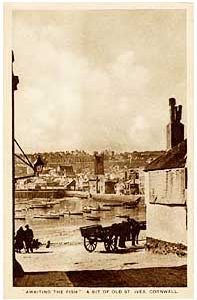
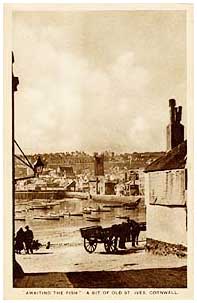
- Awaiting the Fish
-
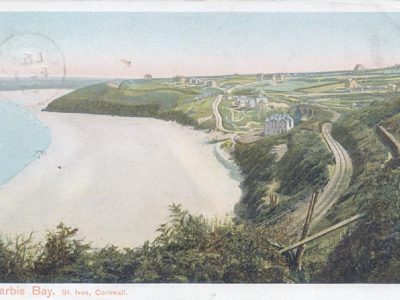
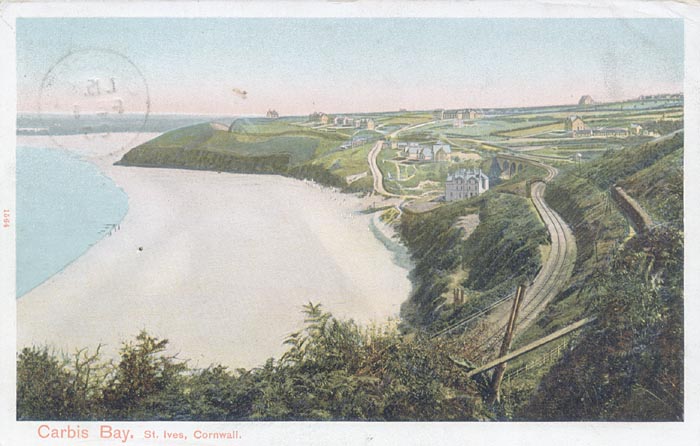
- Carbis Bay 1905
-
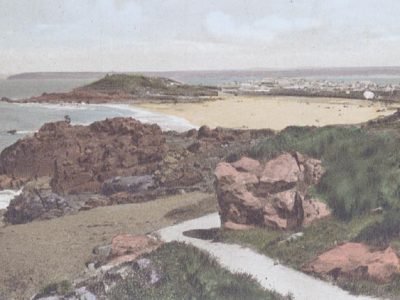
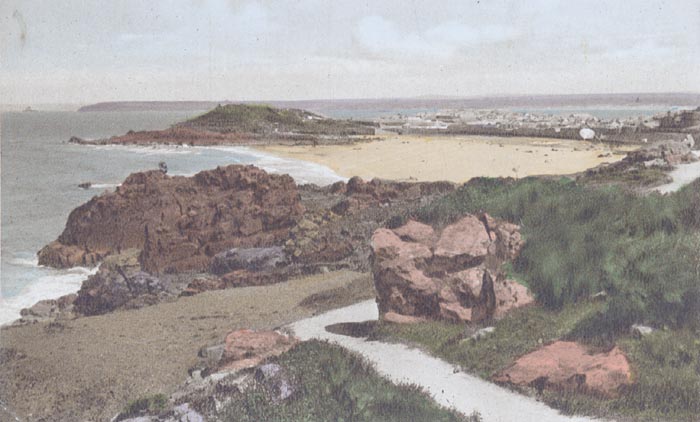
- Carthew and the Island
-
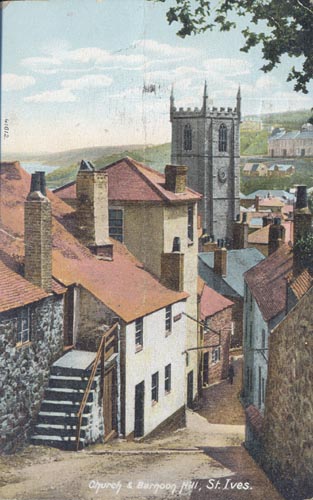
- Church and Barnoon Hill 1905
-
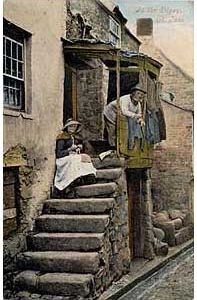
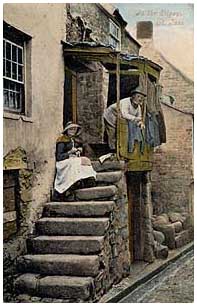
- Digey, St Ives
-
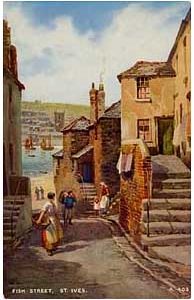
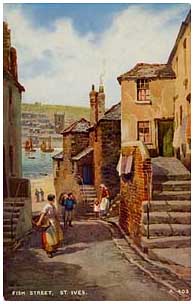
- Fish Street, St Ives
-
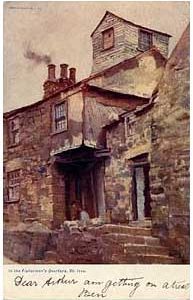
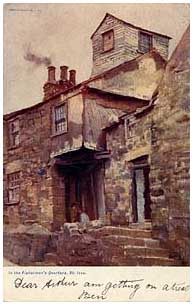
- Fisherman's Quarters, St Ives
-
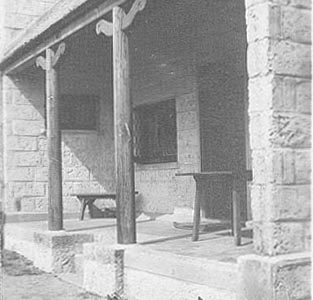
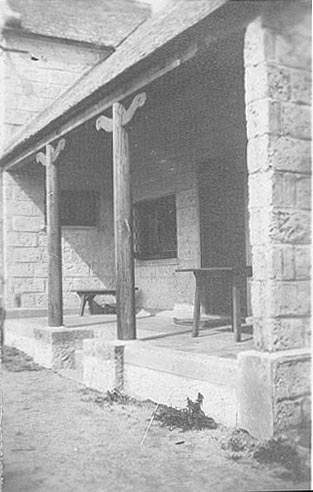
- Leach Pottery 1930
-
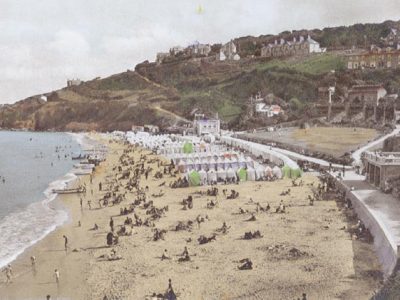
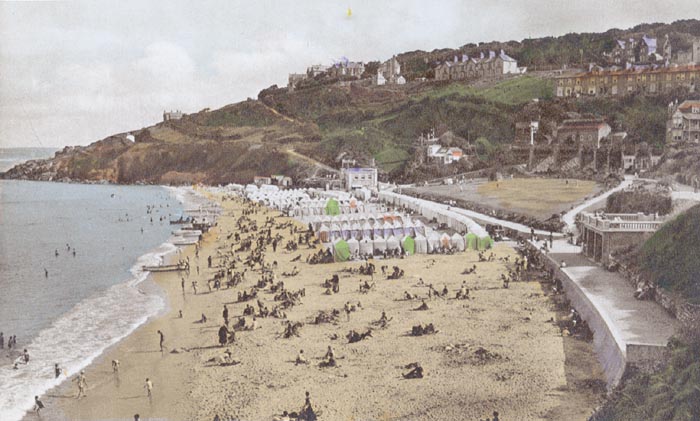
- Porthminster Beach
-
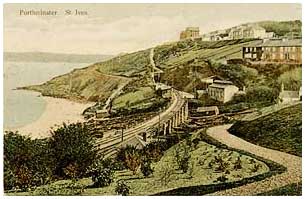
- Porthminster
-
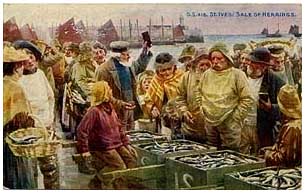
- Sale of Herrings, St Ives
-
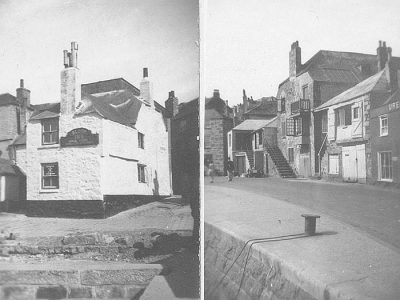
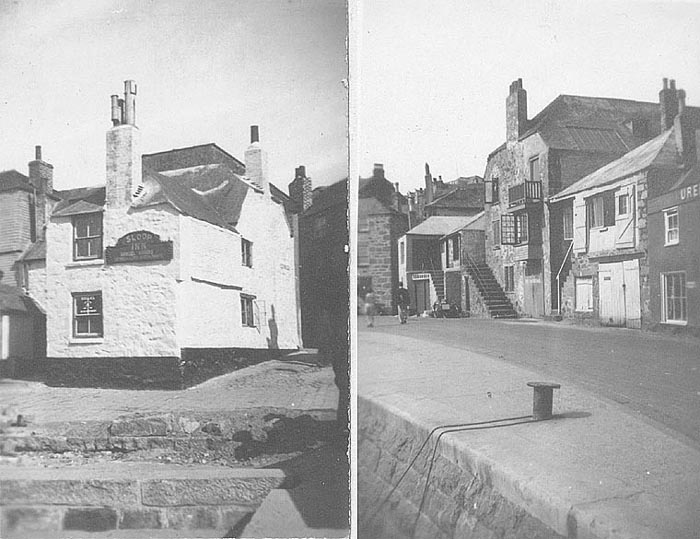
- Sloop Inn and quay side 1930
-
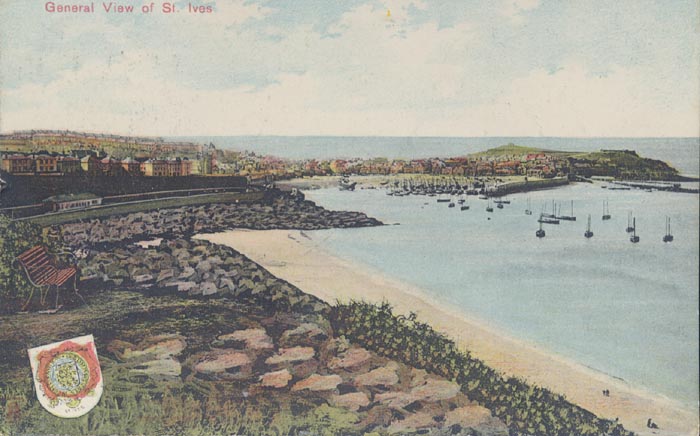
- St Ives around 1910
-
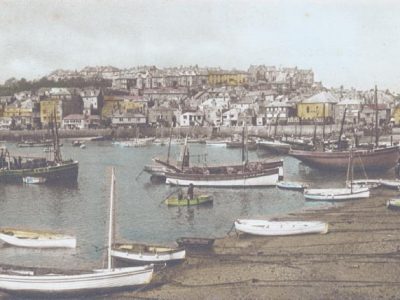
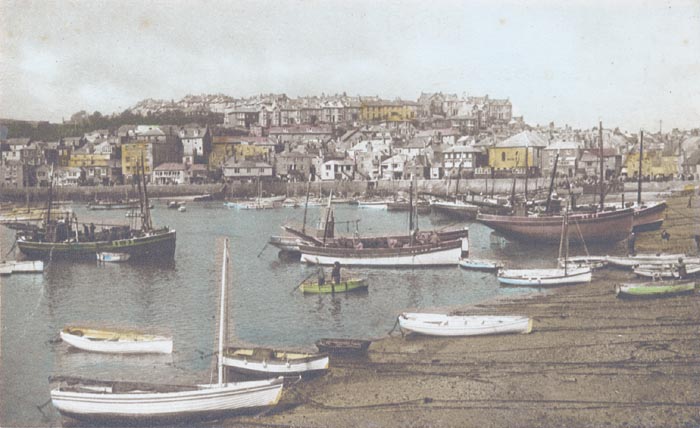
- The harbour
-
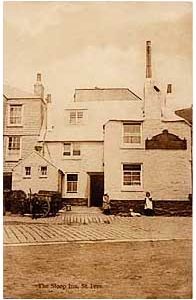
- The Sloop Inn, St Ives
-
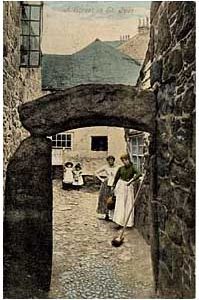
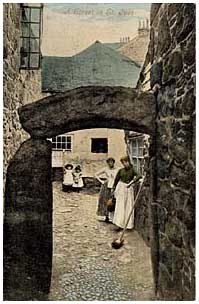
- Young maidens, St Ives
-
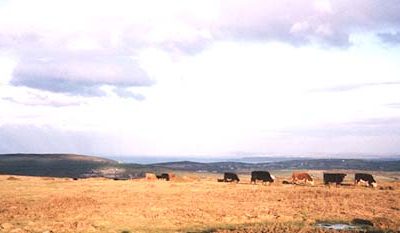
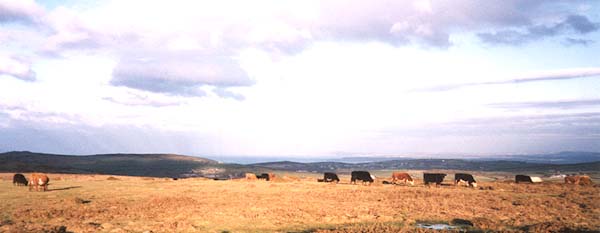
- Amalveor Downs
-
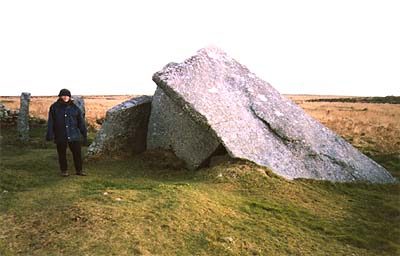
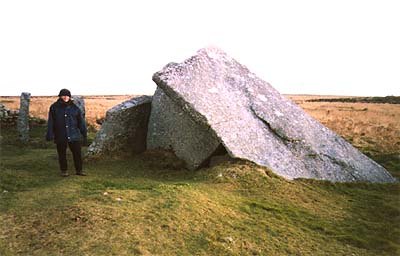
- Zennor Quoit
-
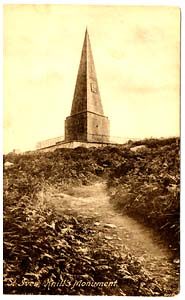
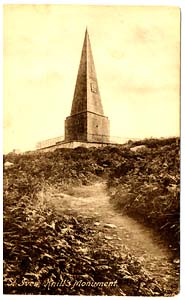
- Knills Monument
-
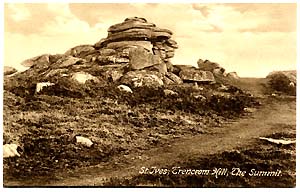
- Trencrom Hill
-
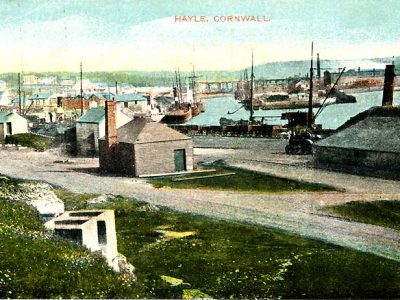
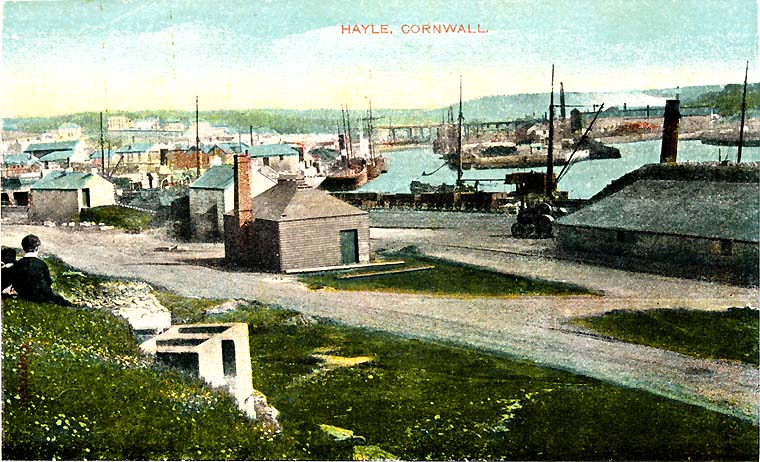
- Hayle
-
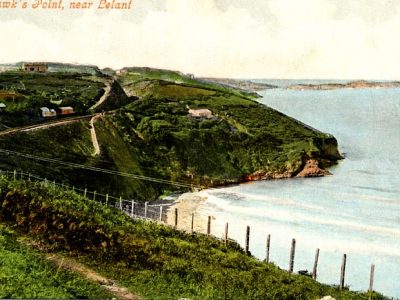
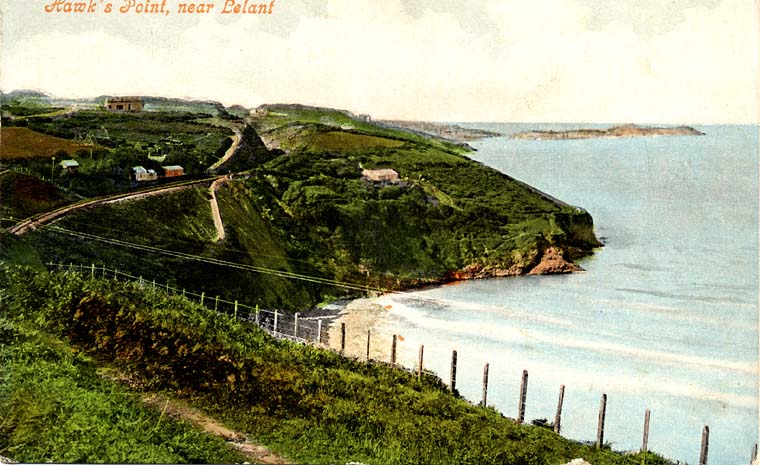
- Lelant
-
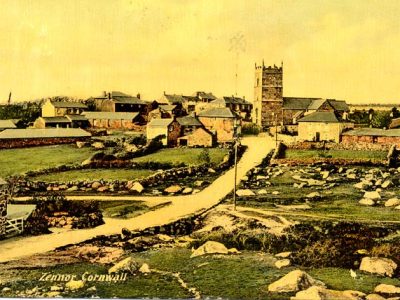
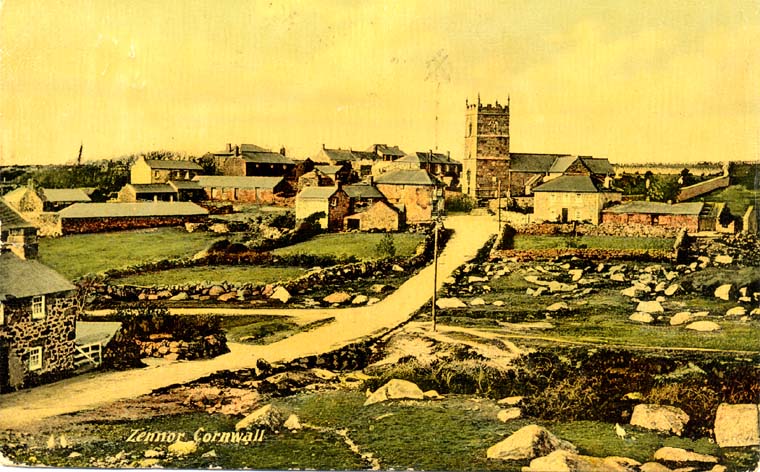
- Zennor
SHIPWRECKS AND RESCUES AROUND ST IVES
The coastline of Cornwall has always presented extreme danger. Whether entering the English or Bristol channel, a minor navigation error for a sailing ship could result in disaster. Click on the map to see which ships foundered on just a small stretch of Cornish coast.
THE HISTORY OF ST IVES
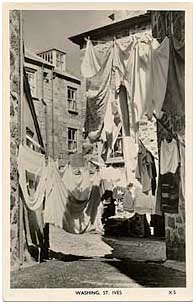
Washing, St Ives
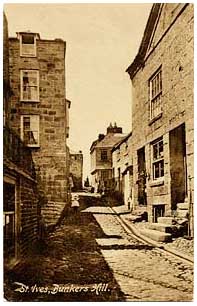
Bunkers Hill, St Ives
St Ives takes its name from St Ia, the daughter of an Irish chieftain, who is said to have sailed to Cornwall in the mid 5th Century on a leaf, having missed the boat carrying other saints. Its Cornish name is Porthia (“Ia’s cove”) and its pre-Christian name is believed to be Pendennis (“headland fort”).
Incorporated as a borough by Charles I in 1639, St Ives built its prosperity on pilchard fishing and the trade in Cornish slate and minerals. In 1770 the harbour was improved by the erection of a pier by John Smeaton (the builder of the Eddystone lighthouse) and this and later additions helped to protect the town from storm-blown sand which had periodically choked it in earlier centuries.
The arrival of the railway in 1877 and the growth of mass tourism soon turned St Ives into a popular holiday resort.
THE KNILL CEREMONY
This local custom takes place every five years on St James’ Day (July 25th) here in St Ives, and 2001 marked the 200th anniversary of the first one to be held.
The Knill ceremony begins with a parade around the town followed by a procession to a monument which stands high above the town and is known locally as “Knill’s Steeple”. A fiddler leads the procession, which includes ten little girls dressed in white, together with two widows, all from St. Ives. They dance around the Steeple for 15 minutes before the assembly gathered there sings the Old Hundredth – “All people that on earth do dwell”.
Benefactor John Knill, who was Mayor of St Ives in 1767 and Collector of Customs for 20 years from 1762, originated the ritual and he was present at the first ceremony held in 1801. He built the 50 foot high “Steeple” as a mausoleum and intended that he should be buried there but this did not happen and he is, in fact, buried in London. However, the people of St Ives have faithfully carried out this quaint ritual to his memory every five years since then, even during wartime.